
Bollywood
Fardeen Khan discusses depression and going through difficult times: It’s a normal process that everyone experiences.

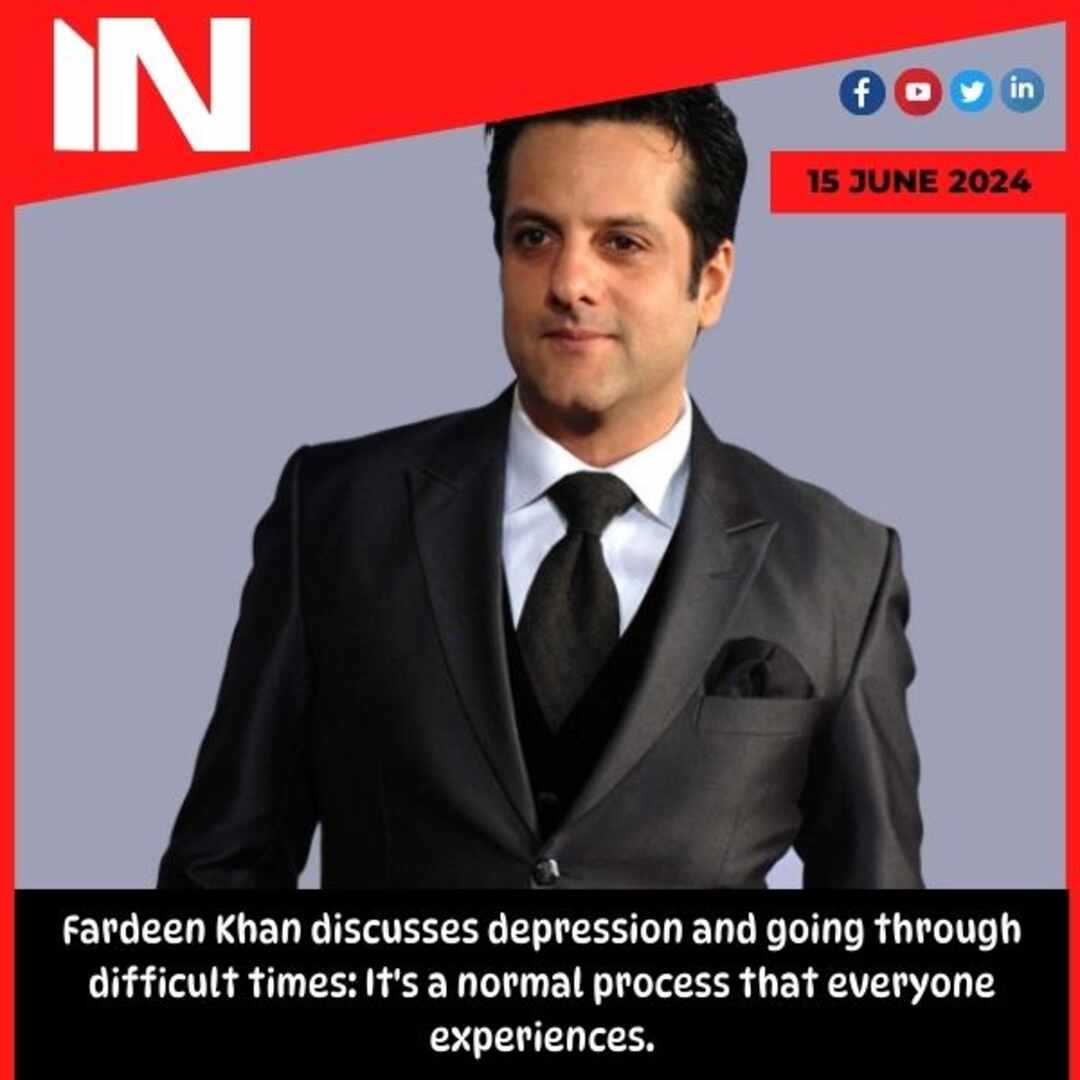
Actor Fardeen Khan has opened up about his struggles with depression and his recent 14-year absence, having recently made a comeback in Heeramandi: The Diamond Bazaar. Fardeen said that he occasionally “goes into a shell” and “just sits and thinks about things.”
Depression, according to Fardeen Khan, is “a natural process everyone goes through.” He went on to say that people need to protect themselves against the constant “desire to be happy.”
Fardeen discusses “resurrection and death.”
According to Fardeen, “in my experience, that is a way you find yourself,” even though “sometimes you slip into depression, you don’t feel positive, things don’t have meaning or purpose.” “I believe the treasure is in that deep, dark cave,” he continued. The cycle of death and resurrection never ends.
Of course, there are difficult days. I can get withdrawn at times. I enjoy taking a seat and reflecting on things. Those who are acquainted with me sometimes say I overthink but when I am down I kind of sit and ponder about it for a few days to figure out why exactly I am feeling down. Once I find that, it’s much less challenging to get back to being normal.”
Fardeen’s remarks regarding depression
Fardeen continued, “Depression is a natural process that everyone goes through.” We need to protect ourselves from the need to constantly want happiness. You should truly consider what in your life is unfulfilled if you find yourself getting depressed about something. Something is not in sync with you, something you are not aligned with.
Fardeen’s last project
Fardeen most recently starred in Heeramandi, Sanjay Leela Bhansali’s first web series. The programme delves into the cultural dynamics of Heera Mandi while examining the lives of courtesans and their patrons against the backdrop of India’s war for independence in the 1940s.
Fardeen’s professional life
In 1998, Fardeen made his screen debut in Prem Aggan, for which he was named the winner of the Filmfare Award for Best Male Debut. He then starred in films including No Entry (2005), Jungle (2000), Pyaar Tune Kya Kiya (2001), Bhoot (2003), Dev (2004), and All the Best (2009). He stopped performing after starring in Dulha Mil Gaya in 2010.
Fardeen Khan, the acclaimed Bollywood actor, has openly discussed his personal journey with depression, emphasizing its universality and the importance of self-reflection. In a candid interview with Pinkvilla, he remarked, “It’s a natural process everyone goes through. We have to safeguard ourselves from this desire to always want to be happy.”
Reflecting on his experiences, Khan described depression as “a constant cycle of death and resurrection,” highlighting the challenges of navigating through tough days and finding purpose amidst emotional struggles.
He further emphasized the importance of introspection, stating, “Sometimes you slip into depression, you don’t feel positive, things don’t have meaning or purpose… that is a way you find yourself.” Fardeen Khan, the acclaimed.
Bollywood actor, to all of you to fact has openly discussed his personal journey with depression, emphasizing its universality and the importance of self-reflection. In a candid interview with Pinkvilla, he remarked, “It’s a natural process everyone goes through. We have to safeguard ourselves from this desire to always want to be happy.”
Khan’s openness about his mental health journey serves as a reminder of the significance of self-awareness and the natural ebb and flow of emotions.
For a more in-depth understanding of Fardeen Khan’s perspective on battling depression, you can watch the following video:
Group Media Publications
Entertainment News Platforms – anyflix.in
Construction Infrastructure and Mining News Platform – https://cimreviews.com/
General News Platform – https://ihtlive.com/
Podcast Platforms – https://anyfm.in



.png "Four years after her divorce, did Samantha Ruth Prabhu get rid of her tattoo with the Naga Chaitanya link? Supporters are persuaded")





-
 Celebrity News4 weeks ago
Amitabh Bachchan: The Heartbreaking Anxiety of Bollywood’s Greatest Icon
-
 Fashion2 months ago
Aishwarya Rai Mesmerizes Cannes in a Breathtaking Blue Gown
-
 Hollywood Romance2 months ago
Brad Pitt and Ines de Ramon Shatter Big Wedding Dreams
-
 Bollywood News2 months ago
Ananya and Lakshya’s Chand Mera Dil Suffers Heartbreaking Censor Shock
-
 Celebrity News2 months ago
Bruce Willis’ Heartbreaking Dementia Battle Awakens a Tender Transformation
-
 Celebrity News2 months ago
Amitabh Bachchan Fan Faints After Hours of Torturous Waiting
-
 Hollywood2 months ago
Michael Rules #1, Smashing $700 Million with Historic Triumph
-
 Upcoming Movies2 months ago
Jenna Ortega’s Thrilling New Role In Lily May B