
#Bollywood
Ranveer Singh’s Kantara Controversy: What Happened, Why People Are Upset, and What Comes Next


Bollywood superstar Ranveer Singh has found himself in the middle of a major controversy after a stage act at the International Film Festival of India (IFFI) 2025. What started as a fun tribute to the hit Kannada film “Kantara: Chapter 1” has now turned into a cultural debate, online criticism, and even a legal complaint. Many people have said that Ranveer’s act was disrespectful towards the sacred Daiva / Bhoota Kola tradition shown in the movie.
Table of Contents
What Exactly Happened at IFFI 2025
On November 28, 2025, Ranveer Singh was on stage during the closing ceremony of IFFI in Goa. While speaking about popular films, he praised Rishab Shetty’s performance in Kantara: Chapter 1, especially the climax scene where the main character gets possessed by a sacred spirit known as Daiva.

To entertain the audience, Ranveer tried to mimic or re-enact the scene. But while doing this, he referred to the Daiva as a “female ghost” or “ghost.” He also performed the ritual-like movements wearing shoes and added some comic gestures.
A short clip of this act was recorded and quickly went viral online. Within hours, people—especially from Karnataka and the Tulu-speaking community—started saying that Ranveer had disrespected a sacred tradition.
Why People Are Angry
The Daiva or Bhoota Kola tradition shown in Kantara is not fictional, but a real cultural and religious practice followed in coastal Karnataka. It is considered extremely holy. A Daiva is not a ghost—it is a guardian spirit and part of an age-old worship ritual.
People felt upset for several reasons:
1. Calling the Daiva a “ghost”
To devotees, the Daiva is a protector spirit. Calling it a ghost or presenting it casually is seen as disrespectful.
2. Mimicking a sacred ritual on stage
The ritual involves strict rules. Many felt that doing it on a stage for fun, that too with shoes on, was insensitive.
3. Reports that Rishab Shetty had asked Ranveer not to mimic the ritual
Some media reports said that Rishab Shetty had politely advised Ranveer not to perform the Daiva act on stage, as it could hurt sentiments. But Ranveer went ahead, which made people even more upset.
4. Social media backlash
As soon as the video went viral, thousands of users criticised Ranveer. Words like “insensitive”, “disrespectful”, and “mocking tradition” started trending. Some urged him to apologise immediately.

A Legal Complaint Filed in Bengaluru
The controversy became more serious when a Bengaluru-based advocate filed a formal complaint at the High Grounds Police Station. The complaint said that Ranveer had:
- hurt religious sentiments
- insulted the Daiva tradition
- disrespected the Tulu community
The advocate demanded action under the Bharatiya Nyaya Sanhita (BNS) 2023.
At the moment, the police have acknowledged the complaint, but no FIR has been registered yet. However, the case is still open and under examination.
Interestingly, soon after the first complaint, another complaint was filed—showing how strongly some people felt about the issue.
Ranveer Singh’s Public Apology
Seeing the growing controversy, Ranveer Singh posted an apology on Instagram. His statement said:
- He did not intend to hurt anyone
- He was only appreciating Rishab Shetty’s performance
- He respects every culture and tradition of India
- If anyone felt hurt, he sincerely apologises
Ranveer added that the act was simply meant as a tribute “from one actor to another” and not meant to offend anybody’s faith. Many fans appreciated the apology, while others felt it came too late.
What the Film’s Team Says
As of now, Rishab Shetty has not issued a long statement, but sources say he was uncomfortable with the mimicry. The makers of Kantara: Chapter 1 have also remained mostly silent, likely to avoid increasing the controversy.
However, fans of Kantara and supporters of the Bhoota Kola tradition have been very vocal online.
Impact on Ranveer Singh’s Upcoming Film

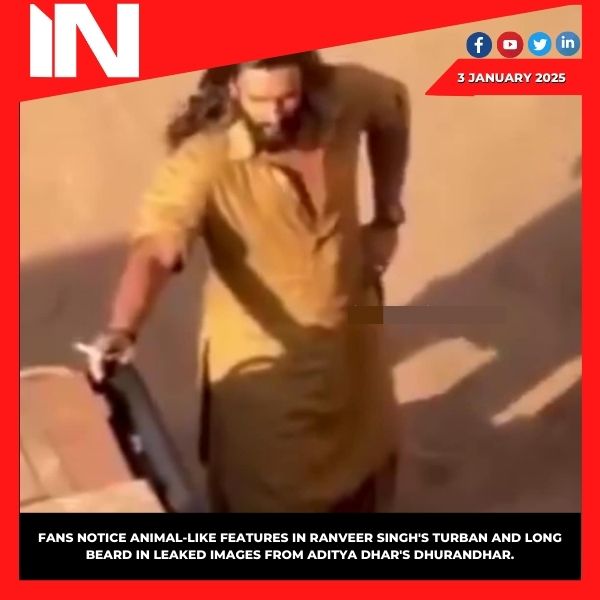
Ranveer’s new movie “Dhurandhar” is releasing soon, and the controversy has arrived at the wrong time. Media houses are now covering the controversy more than the film promotions. This may affect the film’s buzz, especially in South India.
Bollywood trade experts say that while Ranveer’s apology will help, the controversy may still influence audience sentiment for a few weeks.
Why This Controversy Matters
This issue is bigger than just one performance or one actor. It highlights some important points:
1. Cultural sensitivity is important
India has hundreds of traditions. Something that looks fun to one person may be deeply sacred to another.
2. Celebrities have larger responsibilities
Millions watch them. A small act can quickly go viral and cause unexpected reactions.
3. Religious or cultural symbols must be used carefully
Especially rituals involving worship, possession, or sacred dance forms.
4. Social media amplifies everything
A video that once would have been seen only by a live audience can now reach millions instantly.
What Happens Next?
Here is what to watch for in the coming days:
- Whether police convert the complaint into an FIR
- Whether Ranveer issues a second or more detailed statement
- If the Kantara makers or Rishab Shetty officially respond
- Whether protests or public pressure grow stronger
- How this affects Ranveer’s movie releases and brand image
For now, the apology has cooled down the situation slightly, but the controversy is still active and being discussed heavily on news channels and social platforms.
Group Media Publication
Construction, Infrastructure, and Mining
General News Platforms – IHTLive.com
Entertainment News Platforms – https://anyflix.in/
Powered By: Super-fast and reliable streaming is delivered by Bunny CDN.
Explore: https://bunny.net/?ref=i33ljelh4w






-
 Celebrity News4 weeks ago
Amitabh Bachchan: The Heartbreaking Anxiety of Bollywood’s Greatest Icon
-
 Fashion2 months ago
Aishwarya Rai Mesmerizes Cannes in a Breathtaking Blue Gown
-
 Hollywood Romance2 months ago
Brad Pitt and Ines de Ramon Shatter Big Wedding Dreams
-
 Bollywood News2 months ago
Ananya and Lakshya’s Chand Mera Dil Suffers Heartbreaking Censor Shock
-
 Celebrity News2 months ago
Bruce Willis’ Heartbreaking Dementia Battle Awakens a Tender Transformation
-
 Celebrity News2 months ago
Amitabh Bachchan Fan Faints After Hours of Torturous Waiting
-
 Hollywood2 months ago
Michael Rules #1, Smashing $700 Million with Historic Triumph
-
 Upcoming Movies2 months ago
Jenna Ortega’s Thrilling New Role In Lily May B